Specialist area · Plastics, Chemistry & Laboratory
From the laboratory to the plant: materials practice that holds up in production.
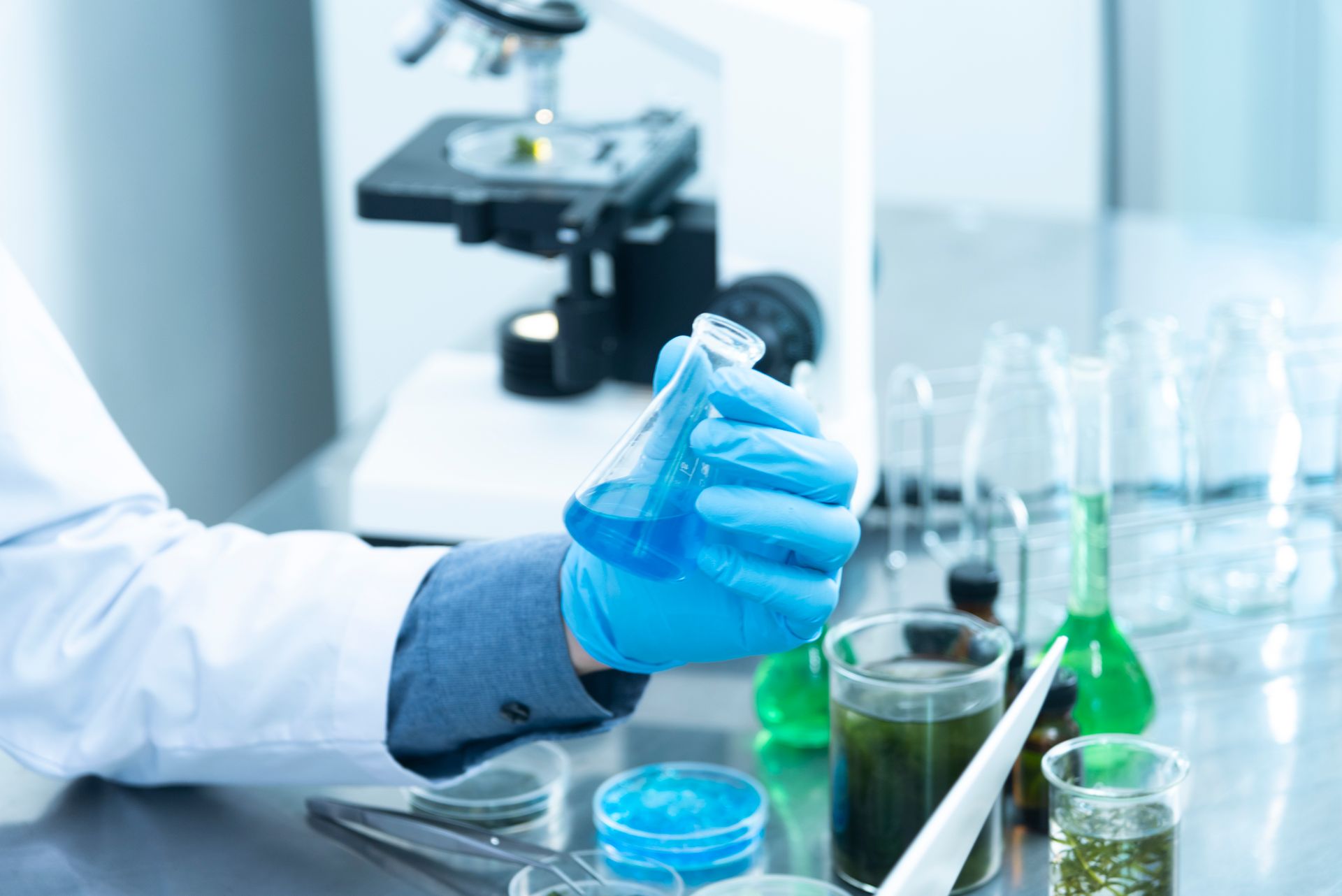
Closing the gap between development and industrial production: laboratory structures, formulations, material processes and plastics processing lines, all the way to a lasting reduction of scrap at the extruder and the injection moulding machine.
Discuss the topicPositioning
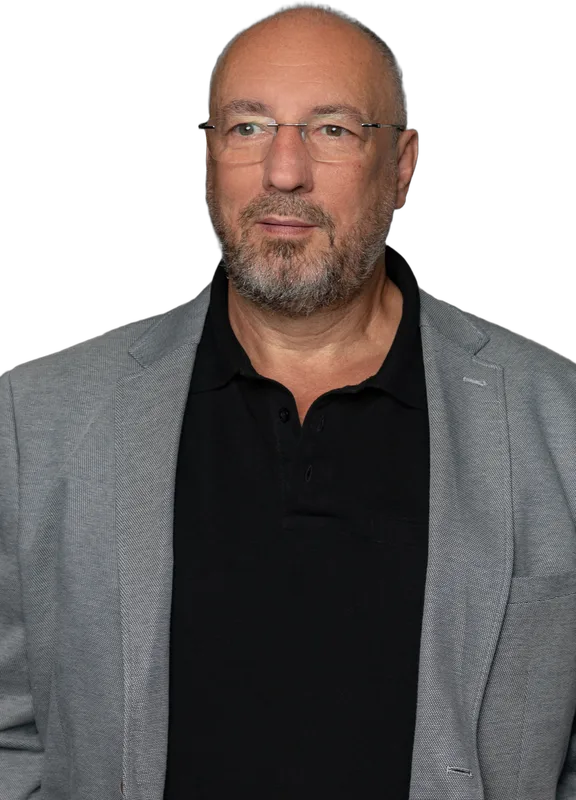
Laboratory background meets plant reality. Chemical, technical and process engineering problem solving directly at the extruder, at the injection moulding machine and in the laboratory.
- Sound training through an apprenticeship as a chemical laboratory technician, several master craftsman examinations and foreman training in plastics engineering
- Decades of practical experience in implementing industrial and commercial processes
- More than 40 years of plant practice in industrial plastics processing companies, core field roller manufacturing
- Expertise in environmental management systems such as ISO 14001 (lead auditor)
- Command of upscaling processes, from the laboratory to high-volume production
- Error prevention through defined control loops and improvement cycles (TPM, PDCA)
- Experience in international plant procurement and commissioning (Europe, Asia)
Services in plastics engineering
Operational support for plastics processing companies, from goods receipt to roller manufacturing.
Plastics processing
Process optimisation for extrusion, injection moulding and coating processes to stabilise component quality permanently.
Learn moreProduction optimisation
Systematic optimisation of takt and cycle times and targeted scrap reduction directly at the production lines.
Learn moreIncoming goods inspection
Setting up reliable test routines for polymers and additives to prevent processing errors.
Learn moreRoller manufacturing
Composite, polyurethane and rubber rollers: a technical core field for four decades with international commissioning experience.
Learn moreServices in chemistry & development
Systematic safeguarding of your chemical and technical processes and laboratory structures.
Building an R&D department
Structuring and aligning development units to accelerate the market readiness of new products.
Learn moreMaterial & process assessment
Systematic assessment of material properties and chemical processes to reduce errors.
Learn moreTechnology transfer
Safe scaling of chemical processes from laboratory scale to stable industrial series production.
Learn moreLaboratory organisation & structures
Efficient structuring of laboratories, workflows and test equipment.
Learn moreGreen Chemistry in practice
Technical optimisation of syntheses, solvent use and resource efficiency according to the 12 principles.
Learn moreIs your situation a different one?
Describe your situation briefly and we will assess it together.
Book an initial meetingFrequently asked questions
How is technology transfer from the laboratory to production safeguarded?
The transfer requires systematic scaling (scale-up) via intermediate stages. Critical process parameters (CPPs) and material attributes (CMAs) are defined and mirrored against the real plant conditions to rule out yield losses in large-scale production.
Which principles guide optimisation in Green Chemistry?
The optimisation is based on measurable criteria such as atom economy, the replacement of toxic solvents, increased energy efficiency in reactor operation and the minimisation of waste in accordance with the 12 principles of Anastas and Warner.
When do I need a raw material changeover plan?
When a raw material used so far has to be replaced for regulatory reasons (REACH restriction, supplier failure, cost pressure). The changeover needs a material comparison matrix, pilot validation on the production line, adjustment of incoming inspection and re-qualification of the end products.
How do I replace a critical solvent in compliance with REACH?
Through a structured substitution assessment: alternatives are evaluated for functionality, safety and regulatory status, the best profile is verified in the laboratory and then released at pilot scale under real process conditions, documented for the chemical safety dossier.
How can scrap in plastics processing be reduced permanently?
The reduction requires an exact analysis of the thermal and rheological conditions in the mould. Defects are systematically eliminated through precise adjustment of melt temperature, cavity pressure and injection speed.
Which types of roller do you support technically?
Polyurethane, rubber and composite rollers, from material build-up through coating and vulcanisation processes to finishing. Commissioning projects were carried out in Austria, Finland, China and India.
How do quality problems arise from recyclates?
The main causes are material variation due to changing delivery batches, residual moisture, contamination with foreign polymers or prior thermal damage. A reliable incoming goods inspection (MVR, moisture, visual inspection) makes these causes visible before the machine.
A chemical or process engineering challenge in your plant?
Let us analyse your processes.
Based on real data and solid practical experience: in the laboratory, at the extruder and at the injection moulding machine.
Discuss the topic