Specialist area · Plastics, Chemistry & Laboratory
Technology transfer from the laboratory to large-scale production.
Risk-free scaling of process engineering and chemical processes to industrial production plants.
Discuss the topicWhat it is about
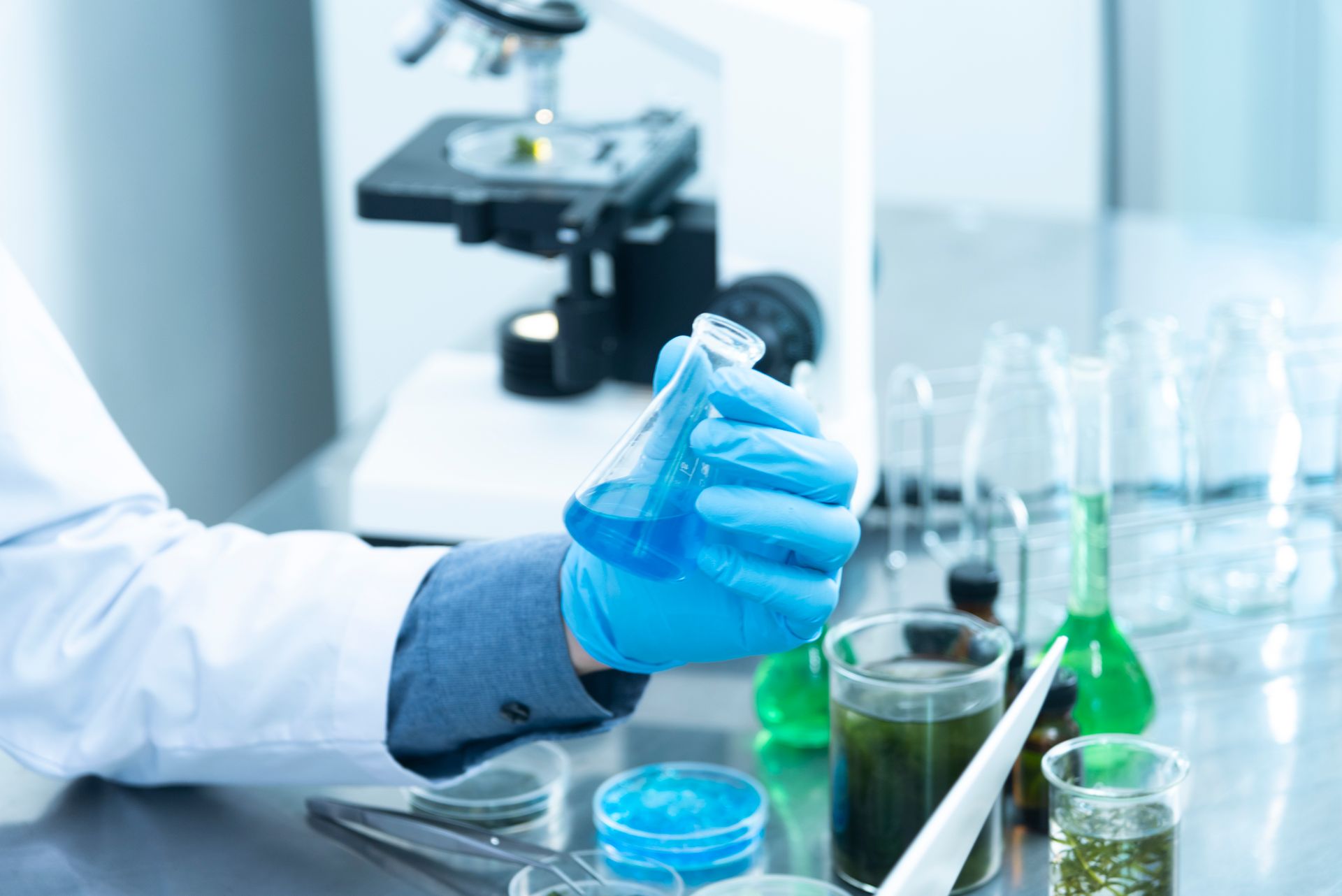
A chemical process that works perfectly in the laboratory's 1-litre round-bottom flask behaves fundamentally differently in the 5,000-litre stirred tank of production. Exothermic reactions, changes in viscosity and heat dissipation behaviour must be precisely calculated and controlled during technology transfer. The mandate systematically safeguards this critical phase.
Pilot batches are run through clearly defined intermediate upscaling stages and analysed closely. Critical process windows are documented precisely and the plant operators are trained directly at the machines. This prevents costly faulty batches, protects the production infrastructure and secures the required product quality from the first commercial large batch.
Frequently asked questions
Which risks are primarily minimised during scale-up?
Above all thermal instabilities, incomplete mixing at high viscosities and uncontrolled side reactions that could not be detected at laboratory scale.
How many intermediate pilot stages does a typical transfer need?
Usually 2 to 3 intermediate stages with an increasing volume factor. Each stage is checked against the critical process parameters (CPPs) and only released when the key values lie reproducibly within the tolerance window.
Secure your production scale-up?
Plan your next technology transfer with process reliability and without experimental risks in the plant.
Discuss the topic