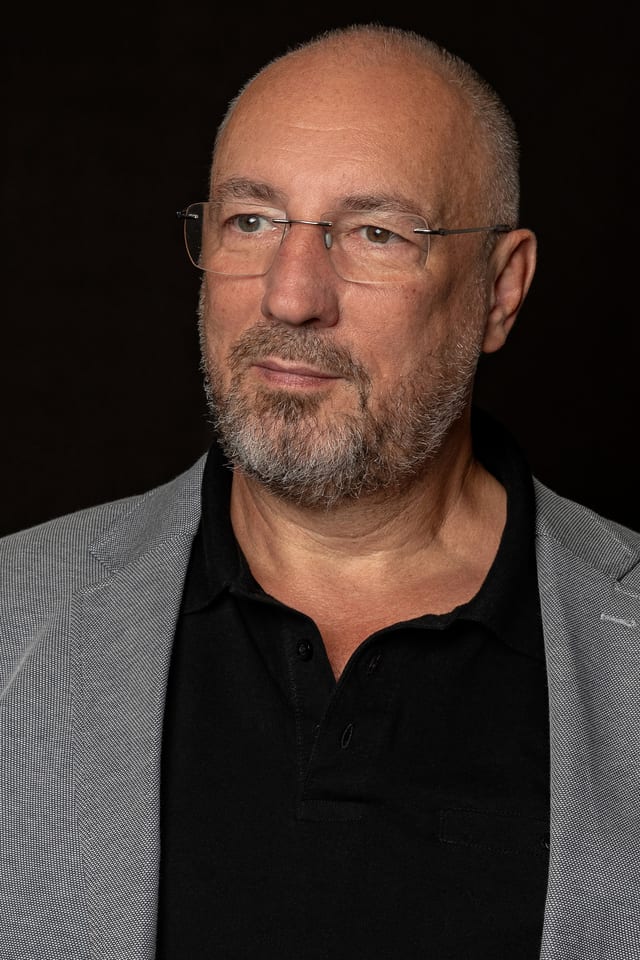
My career began in 1984 in the laboratory: as a chemical laboratory technician, later as a foreman in plastics engineering and in research and development in Austria and Germany. Since then it has taken me through several countries, from technology transfers to China and plant management in Germany to projects in Finland and India. Looking back on more than 35 years of professional experience and a number of larger and smaller international projects, one insight remains particularly clear: international collaboration rarely fails because of technology or language. It fails because of expectations that nobody expresses, because everyone believes they are self-evident.
Listen before you explain
Since 2002, I have continuously supported international project transfers, for example to China or India. In the process I have learned that knowledge is not passed on simply by handing over documents. It is passed on when trust develops and experience grows. Both need time, presence and a genuine interest in the other person.
A nod does not mean agreement in every culture, and the absence of a question does not mean that everything has been understood. Those who know this ask differently, check together instead of assuming, and plan time for relationships from the start.

Leading means adapting, not exporting the home model
Ever since my apprenticeship, I have been fortunate to work in companies with a strong international orientation: first in the divided Europe of the Cold War, then in the years of opening and globalisation, and up to today. My tasks ranged from simply supporting teams and on-site repairs to responsibility for entire plants and for technology transfers. I was able to gather a great deal of experience and probably learned the most myself. In all these years I have seen how differently organisations make decisions, even when they are only a few hundred kilometres apart. What is valued as clear leadership at one site is considered too domineering at another. What counts as thorough coordination here seems like hesitation there.
None of these logics is better. Leadership only becomes effective when it understands the respective culture and adapts to it without giving up its own principles. Those who take their usual model along unchanged reap polite agreement and silent resistance.
Governance as a common language
Precisely because cultures differ, international collaboration needs a binding framework: a common target picture, clear roles, unambiguous decision paths and agreed escalations. This framework does not replace trust, it makes it possible.
In international projects it has been shown again and again: when test criteria, tolerances and acceptance conditions are defined jointly in advance, control becomes a partnership process. Both sides know what they are measured against, and conflicts become factual questions instead of questions of trust.

Use differences instead of levelling them
International collaboration does not succeed through standardisation at any price. Finnish matter-of-factness, Chinese perseverance or Indian improvisational skill are not obstacles, but strengths when used consciously.
The prerequisite is to address differences openly and to clarify in the team how you want to work together. This takes time at the beginning and saves many times as much later.
Bearing responsibility
Since 2005, in plant management and executive management, I have learned what it means to bear the burden of responsibility. For me, the emphasis has always been on the word “bear”. In parallel, since 2008 I have been supporting international projects in Europe and Asia as a consultant and entrepreneur, and have founded and built up companies myself. My roles as managing director in public and formerly public companies also show me that the lessons from international work apply in one's own country too: different cultures and decision-making logics also meet between politics, administration and operations.
With the founding of SPIES CONSULT GmbH in 2024, I brought these experiences together. My guiding principle has remained the same at every stage: good leadership never puts itself at the centre, but the people who take on responsibility for a common goal.
Being on site
No video call replaces a visit to the plant, a shared meal or a conversation at the machine. In international projects in particular, what the Kaizen philosophy calls the gemba applies: the truth lies where the work happens. Those who are present there understand more, recognise problems earlier and are taken seriously as partners.
Conclusion
Working across borders means listening, adapting and creating binding rules together. Then cultural differences do not become a risk, but an advantage.
An article by Johann Spies, SPIES CONSULT. More about our approach: International cooperation and the case study Supplier audit & FAT in India.
Image credits
- Cover image, cargo ship on the open sea from above: photo by Benoît Deschasaux on Unsplash
- Two tracks, one route: photo by Sergej ***** on Unsplash
- Common signals for all tracks: photo by Chintan Vadgama on Unsplash
Planning an international project?
Write to us about whom you want to work with, and together we will create orientation and commitment.
Arrange a meeting