Most transformations do not fail because of the concept. Strategies are well thought out, target pictures convincing, project plans detailed. And yet the change often fails to materialise in everyday life: new processes are circumvented, systems are used half-heartedly, old habits return as soon as the project is officially completed. The reason is almost always the same. Transformation was planned as a technical or organisational task, although at its core it is a human one. Organisations change only to the extent that the people in them change.
Implementation begins with the why
People support change when they understand why it is necessary and where it leads. An instruction creates compliance, a comprehensible reason creates conviction. That is why every transformation starts not with the action plan, but with a clear, honest story: what is changing in our environment, what does it mean for us, and what happens if we do nothing?
This story does not have to gloss over anything. It has to be credible and represented by the leadership itself, not only at the kick-off event, but again and again as things progress.

Change architecture with care
Change needs a framework: clear roles in the project, a realistic pace, sensible stages and decision paths that work. Middle management is particularly important. It translates the strategy into the everyday work of the teams and at the same time carries the concerns of employees upwards.
If it is only informed instead of involved, a gap arises in which transformations peter out. Good change architecture therefore plans not only tasks and deadlines, but also communication, participation and the workload that arises alongside day-to-day business.
Participation instead of proclamation
Those affected by a change usually know its practical pitfalls best. The Kaizen philosophy speaks of the gemba here, the place where the actual value creation happens. It is there, not in the meeting room, that it becomes clear what works. Involving employees early therefore improves not only acceptance, but also the quality of the solutions.
Resistance is not a disruptive factor, but valuable information. It shows where there are concerns, where something is unclear or where a project has actually not been thought through. Those who take objections seriously gain allies; those who ignore them create silent opponents.

Enable, not just demand
New tasks require new skills. Transformation only succeeds when people are given the time, knowledge and means to work effectively in the new framework. Training alone is rarely enough. It takes support in application, room for mistakes in the learning phase and managers who see and recognise progress.
Enablement is the point at which willingness to change becomes the ability to change.
Kaizen: change in small steps
The Japanese Kaizen philosophy, literally “change for the better”, deliberately sets a counterpoint to the big, one-off upheaval. Its basic idea: lasting improvement does not come from one big leap, but from many small steps, every day, by everyone and in every place. This lowers the inhibition threshold, makes progress visible and takes away the threatening character of change.
For transformation projects this means: big target pictures are translated into manageable improvement steps that are tested in the cycle of planning, implementing, checking and adjusting. Those who proceed in this way learn faster, correct earlier and build trust in the change with every successful step.
Anchor it for the long term
A transformation is not complete when the project ends, but when the new has become a matter of course. For this, it must be anchored in structures, routines, key figures and leadership behaviour. This works best when continuous improvement itself becomes a habit: when problems are addressed openly, suggestions for improvement are seriously examined and leadership is regularly on site.
From the perspective of stewardship, this means that responsibility for the change does not remain with a project team, but passes to the organisation. Only then will it carry on even when attention has long since turned to other topics.
Conclusion
Strategies and systems give transformation a direction. It is carried by people. Those who take them seriously, involve them and enable them create change that lasts and keeps growing step by step.
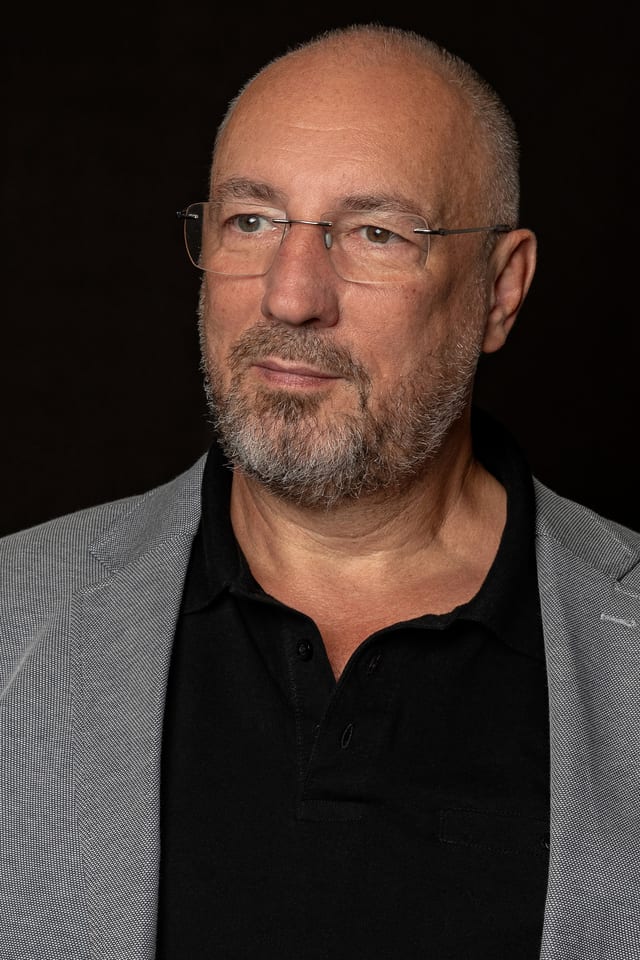
An article by Johann Spies, SPIES CONSULT. More about our approach: Transformation and Stewardship: Enable & trust.
Image credits
Is a change coming up?
Write to us about what you are planning, and we will plan the implementation together with your people.
Arrange a meeting